
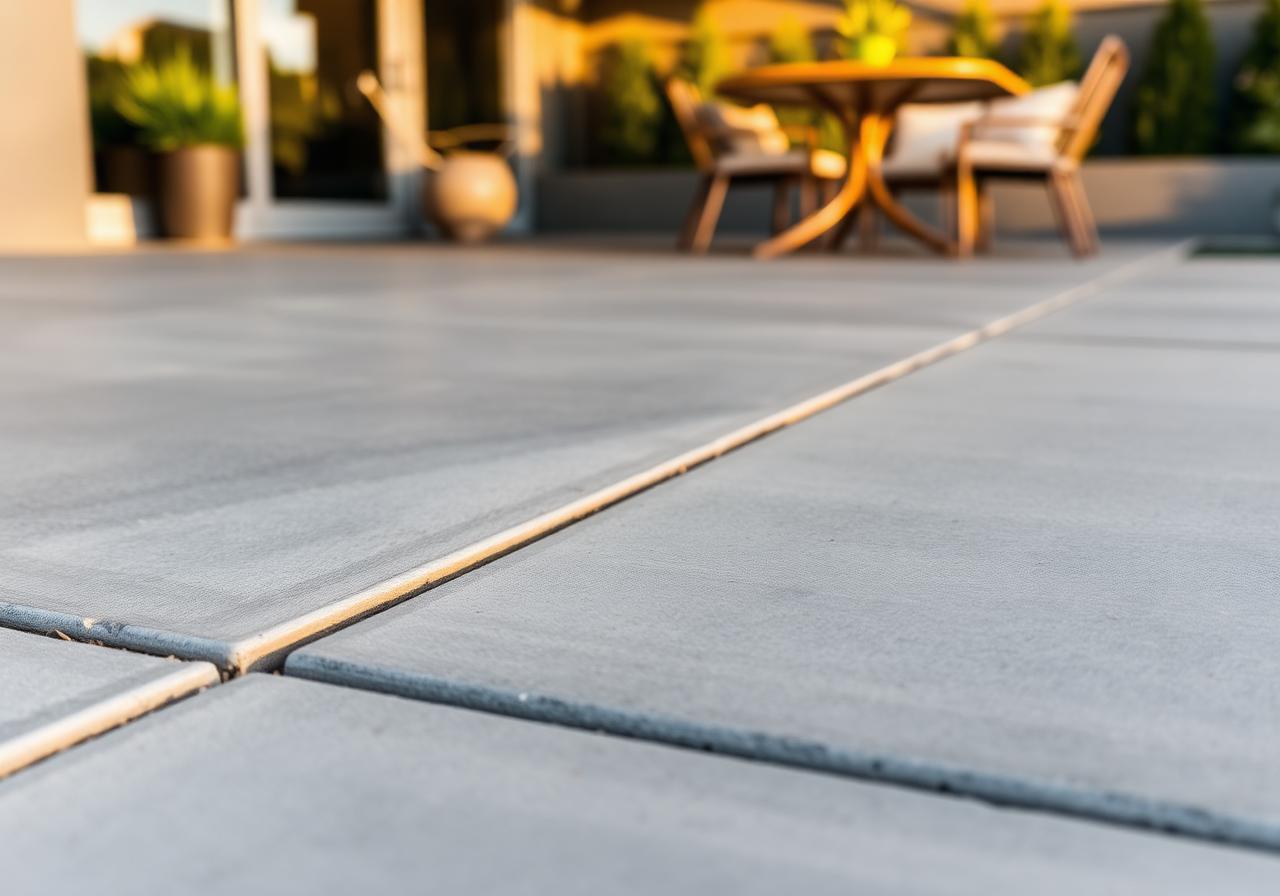
Concrete vs Gravel Driveway in Prescott, AZ
Gravel is cheap on day one and expensive every year after. Here's when it still makes sense — and when concrete is the smarter money.
Concrete driveway
Reinforced 4-inch (or thicker) concrete slab with control joints. Standard for suburban Prescott, Prescott Valley, and Chino Valley homes.
- 30–40 year lifespan
- No dust, no muddy re-grading, no washout
- Higher resale value contribution
- Handles heavy vehicles with proper spec
- Clean, low-maintenance finish
- 8–15x higher upfront cost
- Not practical for very long rural drives
- Cracks over time (controlled by joints)
Gravel driveway
Compacted decomposed granite, crushed rock, or road base over a graded, sometimes geotextile-fabric-lined bed. Common on rural Yavapai County properties.
- Fraction of the upfront cost ($1–$3 / sq ft)
- Excellent drainage — no washout when done right
- Easy to expand or reroute
- Suits rural / off-grid property aesthetic
- Requires re-grading every 1–3 years
- Dust in dry season, mud in wet
- Weeds and vegetation invade edges
- Ruts and washout in heavy monsoon rain
- Lower resale value than paved options
Head-to-head comparison
| Attribute | Concrete driveway | Gravel driveway |
|---|---|---|
| Installed cost per sq ft | $8–$18 | $1–$3 |
| Lifespan | 30–40 years | Requires ongoing re-grading forever |
| Annual maintenance | Sealer every 5–7 yr | Regrade & top-up material every 1–3 yr ($500–$2,000) |
| Dust & mud | None | Significant in dry / wet seasons |
| Monsoon washout | None (with proper drainage) | Common — regrade after major storms |
| Heavy vehicle capacity | Excellent with 6" reinforced pad | Ruts under RVs and trucks |
| Resale value | Adds value | Neutral or slight negative on suburban homes |
| Best fit | Suburban homes, city lots, HOA neighborhoods | Long rural drives (500+ ft), remote acreage |
The verdict
For suburban Prescott, Prescott Valley, or Chino Valley homes on standard lots — concrete is the clear winner. Upfront cost is higher but lifetime cost per year is dramatically lower, and gravel drives make suburban homes feel unfinished. Gravel earns its keep on true rural properties with driveways 500+ feet long, where the upfront cost of concrete becomes prohibitive and the rural aesthetic fits.
Common questions
Is a gravel driveway really cheaper long-term?
Only for very long rural drives (500+ ft). For standard suburban driveways, gravel's annual re-grading and material top-up costs exceed concrete's amortized cost within 8–12 years.
Does a gravel driveway hurt home value?
On suburban lots and in HOA neighborhoods, yes — buyers see gravel as unfinished. On true rural properties, gravel is expected and neutral to value.
Can I convert a gravel driveway to concrete?
Yes — we grade, compact, add base fill as needed, and pour concrete over the existing gravel base. Cost is the same as a new pour minus any tear-out.
Still deciding?
Our team will walk your property and give an honest recommendation — no upsell.
Get a free consultation