
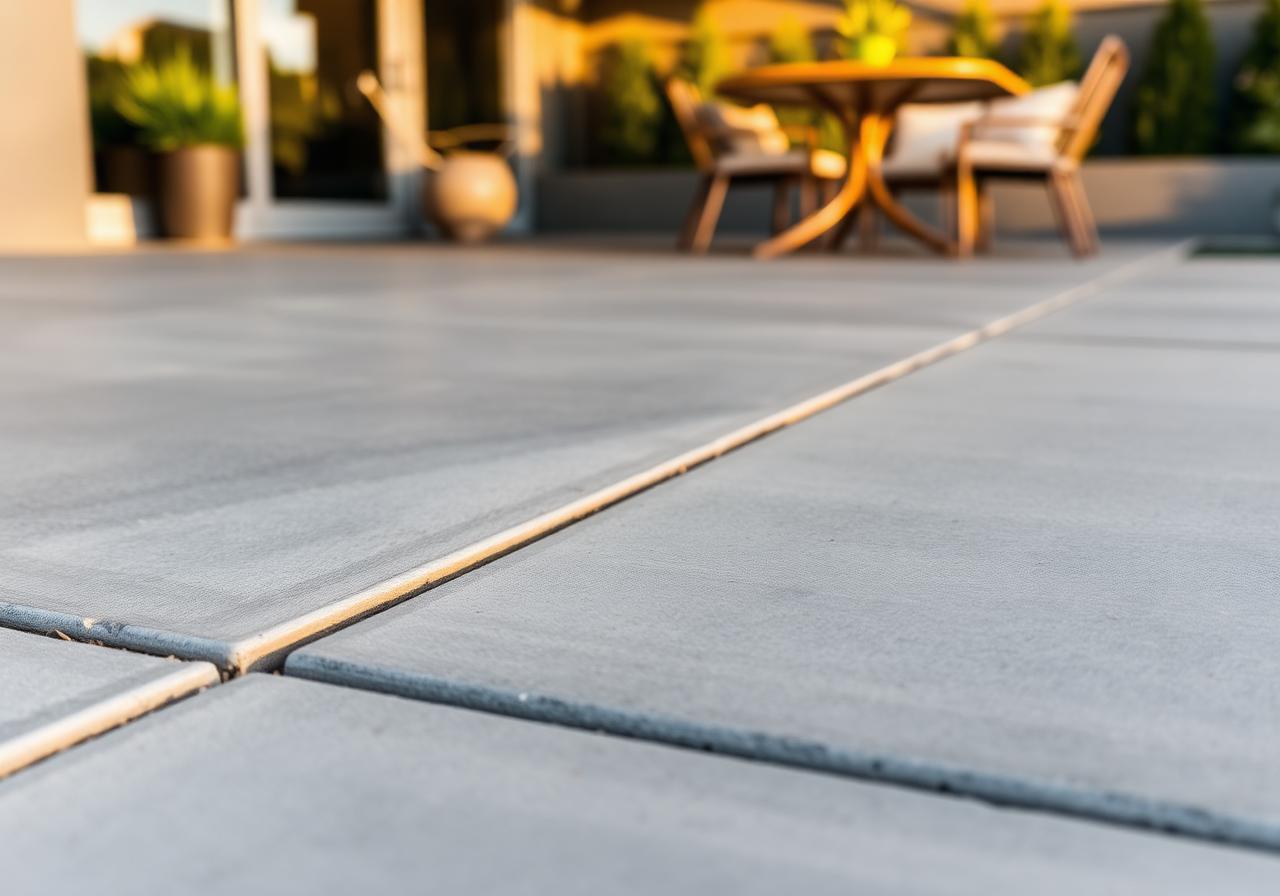
Concrete RV Pad Cost in Prescott, AZ
RV pads carry unique weight and length requirements. Here's what you'll actually pay for one that holds up in Prescott's climate.
Concrete RV pad pricing in the Prescott area
Concrete RV pads in the Prescott area typically cost $10–$18 per square foot in 2026. That's slightly more than a standard driveway because RV pads require thicker concrete (usually 6 inches), heavier rebar, and often longer runs to accommodate a Class A motorhome and tow vehicle. A well-built RV pad can also protect your equipment slab investment (generator, mini-split condenser, propane tank) and act as a workspace for maintenance.
Pricing tiers
Standard 6" reinforced pad
$10 – $13 / sq ft6-inch pour, #4 rebar on 18-inch centers, 4-inch compacted base. Handles Class A motorhomes and trailers with margin.
Extra-thick (7–8") for heavy Class A
$13 – $16 / sq ftFor coaches over 40 ft or when a tow vehicle stays parked. Also spec'd on questionable soil in Chino Valley and Paulden.
With hookups (30/50A, water, sewer)
+$1,500 – $6,000Electrical, water, and dump station hookups. Requires licensed electrician and plumber — we coordinate the subs.
Turnaround / pull-through pad
$11 – $18 / sq ftLarger footprint for easier maneuvering. Requires more base prep and forming labor per square foot.
What affects your total
- Length & width
Class A motorhomes range 30–45 ft. We recommend 12–14 ft wide × pad-length plus 4 ft on each end for slide-outs and equipment access.
- Soil conditions
Expansive clay soil (common in parts of Prescott Valley and Paulden) sometimes requires deeper excavation or a geotextile fabric layer.
- Slope
1/4 to 1/2 inch per foot slope to drain — RV pads must shed water quickly to prevent freeze-thaw damage.
- Utility hookups
Adding 50A electrical, water, and sewer hookups requires trenching, conduit, and permits.
- Access & haul distance
Rural sites (Paulden, Skull Valley, Mayer) can add a small concrete delivery surcharge.
Concrete RV pad cost questions
How thick should an RV pad be?
6 inches is standard for residential RV parking. Bump to 7–8 inches for coaches over 40 ft or if the vehicle stays parked long-term with jacks down.
Do I need a permit for an RV pad in Prescott?
Most residential RV pads inside Prescott city limits require a permit. Outside city limits (unincorporated Yavapai County) rules vary. We handle permitting as part of the estimate.
How long before I can park on a new RV pad?
Wait 7 days minimum for a fully loaded RV. Light vehicles (car, small trailer) at 3 days. Concrete reaches ~90% strength at 28 days.